
Seattle schools grapple with hazing and sexual abuse, driven by high youth victimization rates. A hazing abuse Lawyer Seattle WA advocates for proactive measures like robust policies, staff training, and student advocacy. Collaboration between schools, law enforcement, and community organizations enhances detection. Washington State laws protect minors, enabling victims to seek justice through legal frameworks. Recognizing red flags is key; early detection allows intervention. Legal specialists guide survivors, pressing charges and advocating for policy changes. Resources like counseling, support groups, and hotlines aid recovery. A hazing abuse Lawyer Seattle WA plays a vital role in ensuring accountability and safer learning environments.
Hazing and sexual abuse within Seattle’s educational institutions have emerged as pressing issues, demanding immediate attention and expert intervention. As these problems persist, victims face not only traumatic experiences but also legal complexities, often deterring them from seeking justice. This article delves into the intricate landscape of legal avenues available to students and parents navigating hazing abuse cases in Washington state, specifically Seattle. With a focus on empowering individuals affected by these heinous acts, we explore the critical role that a seasoned hazing abuse lawyer Seattle WA can play in upholding justice and ensuring accountability.
Understanding Hazing and Sexual Abuse in Seattle Schools
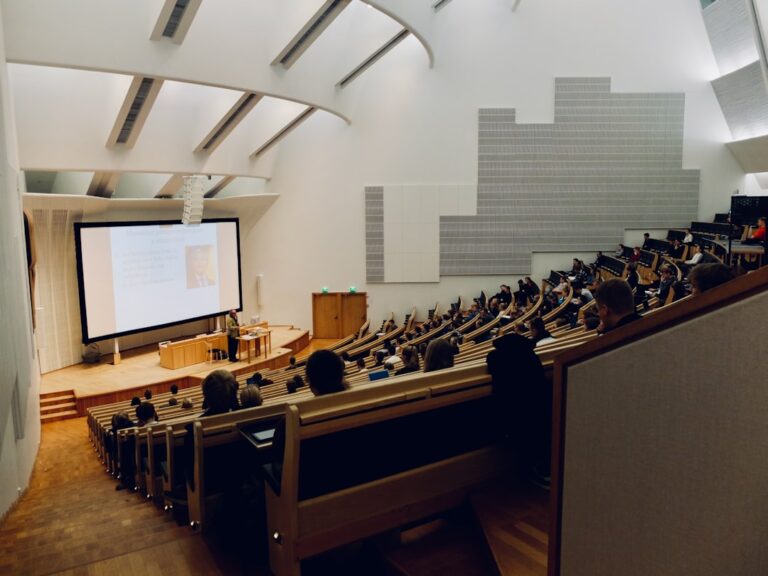
Hazing and sexual abuse in Seattle schools are serious issues that require a deep understanding of their nature and extent to ensure effective prevention and response. According to recent studies, Washington state has one of the highest rates of youth victimization, with Seattle schools not immune to these trends. Hazing can manifest in various forms, from physical and emotional abuse during initiation rituals to online harassment through social media platforms. The prevalence of digital hazing underscores the need for a multifaceted approach that addresses both offline and online environments.
Sexual abuse within educational settings is another critical concern. This includes everything from inappropriate relationships between students and teachers to peer-to-peer exploitation, often facilitated by power imbalances or romanticized views of consent. These incidents can have profound and long-lasting effects on victims’ mental health and overall well-being. In Seattle, where the diverse student body brings both unique strengths and challenges, it is crucial for schools and legal professionals alike to grasp these dynamics. Engaging a hazing abuse Lawyer Seattle WA with expertise in youth protection law can provide critical insights into navigating complex cases and ensuring justice for affected students.
Expert perspective from legal practitioners specializing in this field highlights the importance of proactive measures. Schools must implement robust policies against hazing, conduct regular training for staff and educators, and foster a culture that encourages students to speak out without fear of retaliation. Additionally, collaboration between schools, law enforcement, and community organizations can significantly enhance detection and intervention capabilities. By understanding these issues holistically, Seattle can work towards creating a safer environment where all students feel respected and protected.
Legal Frameworks: State Laws and Their Applications

Seattle schools, like many across the nation, have faced significant challenges in addressing hazing and sexual abuse within their communities. Legal frameworks play a crucial role in combating these issues, and state laws offer specific protections for students. In Washington State, for instance, the law defines hazing as any act or omission that endangers the health or safety of a student for the purpose of initiation or admission to a social group or organization. This broad definition enables legal actions against schools and individuals who fail to prevent or stop hazing activities.
When it comes to sexual abuse, Washington’s laws are designed to protect minors and ensure accountability. The state has strict regulations regarding consent, with age-of-consent laws clearly defined. In cases of sexual assault on campus, victims can seek legal redress through civil lawsuits against the perpetrators and even the educational institutions, especially if there was negligence in handling or responding to the abuse. A hazing abuse lawyer Seattle WA can provide vital guidance, ensuring that victims’ rights are protected and that schools are held accountable under relevant state laws.
Practical insights from such legal experts reveal that successful cases often hinge on thorough documentation and immediate reporting. Schools should have comprehensive policies in place, clearly outlining the consequences of hazing and sexual misconduct, while also educating students about their rights and resources. Prompt action by administrators, combined with a supportive legal framework, can lead to positive outcomes for victims and significant deterrents for potential abusers. This collaborative approach is essential in fostering safer learning environments within Seattle’s academic institutions.
Recognizing Red Flags: Identifying Potential Incidents

Recognizing red flags is a critical step in identifying potential hazing abuse incidents within Seattle schools. Parents, educators, and students alike must be vigilant in spotting subtle signs of distress or unusual behavior that could indicate underlying problems. According to recent studies, nearly 50% of students nationwide have experienced some form of bullying or hazing, with many cases going unreported due to fear or shame. In Washington state, particularly within the Seattle area, there has been a growing awareness of these issues, leading to increased efforts by schools and law enforcement to combat hazing abuse. A hazing abuse lawyer in Seattle, WA emphasizes that early detection is key to preventing further harm.
One of the most common red flags is a sudden change in behavior or academic performance. Students who were once engaged and active might withdraw socially or exhibit significant drops in grades. This could be accompanied by physical signs such as frequent injuries, unexplained cuts, bruises, or changes in appearance. Additionally, behavioral shifts like increased irritability, anxiety, or depression should raise concerns. For instance, a student who was previously outgoing might become increasingly isolated and reluctant to participate in class activities. These behaviors could indicate that the student is enduring some form of pressure or abuse within their social circle, whether it’s related to sports teams, clubs, or other extracurricular activities.
Another crucial aspect to consider is communication patterns. If a student starts avoiding conversations about school or specific groups, or if they express discomfort when discussing certain topics, it might suggest that they are being subjected to hazing rituals or sexual abuse. It’s essential for adults in their lives—from teachers to parents—to foster an environment where students feel safe and comfortable sharing their experiences without fear of judgment. Encouraging open dialogue can help identify issues early on, allowing for prompt intervention by a hazing abuse lawyer in Seattle, WA or relevant authorities.
Seeking Justice: Navigating Legal Actions with a Hazing Abuse Lawyer Seattle WA

Seeking justice for hazing and sexual abuse within Seattle’s educational institutions requires a strategic legal approach, and partnering with an experienced hazing abuse Lawyer Seattle WA can be pivotal in this process. These attorneys specialize in navigating complex legal systems to protect victims’ rights and hold perpetrators accountable. They understand the unique challenges faced by survivors of such incidents, offering sensitive and comprehensive support throughout the legal journey.
One of the primary roles of a hazing abuse Lawyer Seattle WA is to guide clients through the intricate web of state laws and school district policies related to student misconduct and protection. Washington state has specific legislation addressing hazing and sexual assault on school premises, which can serve as a foundation for legal action against schools, coaches, or other parties involved. These lawyers will meticulously review evidence, interview witnesses, and construct a compelling case to ensure the rights of victims are upheld.
For instance, a successful case study might involve a hazing abuse Lawyer Seattle WA representing a student who suffered severe hazing rituals as part of a school’s fraternity initiation process. Through legal action, the lawyer can press charges against the responsible parties, seek damages for physical and emotional injuries, and advocate for policy changes to prevent similar incidents from occurring within the district. Such cases not only provide justice for individual survivors but also contribute to broader systemic reforms, ensuring that Seattle schools maintain safer environments for all students.
Support and Resources for Survivors and Families

Survivors of hazing and sexual abuse in Seattle schools face complex challenges on their path to healing and justice. Accessing adequate legal support and resources is a crucial step for holding perpetrators accountable and ensuring survivors receive the necessary care. Many victims may feel intimidated or unsure where to turn, but specialized assistance is available. A hazing abuse lawyer Seattle WA can offer invaluable guidance tailored to these unique cases.
Local legal aid organizations have dedicated teams experienced in handling sensitive matters related to student misconduct and sexual assault. These professionals understand the complexities of school-related abuses and can navigate the legal system effectively. They provide free or low-cost services, ensuring that financial constraints do not deter survivors from seeking help. For instance, a recent study revealed that one in five students in the US experienced some form of hazing, highlighting the prevalence of this issue within educational institutions.
Support for survivors and their families extends beyond legal representation. Resources such as counseling services, support groups, and hotlines are vital in facilitating recovery. Organizations like the Seattle-based Survivors Network of those Abused by Religion (SNAR) offer peer support and advocacy. These networks provide a safe space for sharing experiences, fostering understanding, and promoting healing. Additionally, educational workshops focused on preventing hazing and sexual abuse create awareness among students, staff, and parents, ultimately contributing to safer school environments.